The call wasn’t anything major. Two-car MVC, minor entrapment, a couple door pops, patients removed, scooped out and moved into the waiting ambulances. We handled it without mutual aid from neighboring counties. One volunteer fire department assisted. City and County law enforcement on scene directing traffic.
My role was pretty simple: head on a swivel, count patients, count crews, make sure nobody steps outside the traffic cones, make sure nobody drives inside them, ensure all patients get triaged and transported or get a signed refusal before we leave. Communicate with dispatch. Remain calm. Like a duck on the water—calm on the surface, paddling like mad underneath.
It took maybe 35 or 45 minutes to wrap up. After everyone handed off patients at our little local ER, the crews were in the bay wiping down equipment, syncing monitors, wrapping cables, talking about the call… or about dinner, or their kids, or whatever else was going on in their lives.
We aren’t a big department. Everyone knows everyone. I’ve met my guys’ families. They aren’t just names on a schedule. They have faces, lives, people waiting for them at home—and that all sits in the back of my mind every time I’m watching out for them on a scene.
It wasn’t a big call. We didn’t do anything flashy. But I’m still proud of my guys. They showed up ready to work. They communicated. They shared the load. They listened, moved quickly, treated people right, and most importantly—we all went home safe.
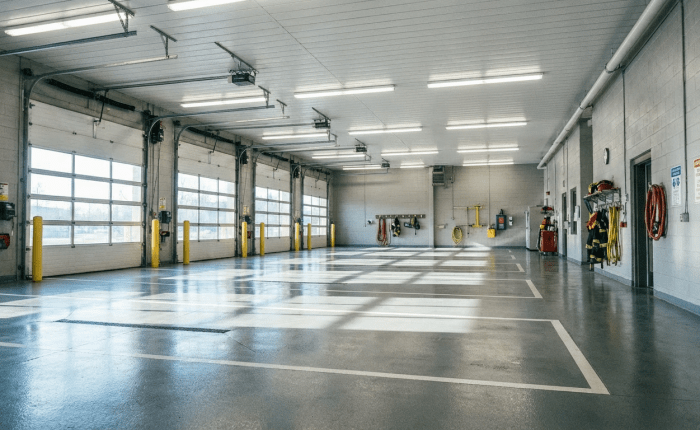
I stood there under the fluorescent lights of the ambulance bay, watching them wrap up, and felt that quiet kind of pride you don’t really talk about. Not because of the call—but because of the team. I don’t worry when I give them a task. I know it’ll get done. I know they care. I know they’ll take care of whoever gets put in front of them. I just try not to screw it up while I get to be a part of it.
As each crew finished up, they called back in service and pulled out of the bay, heading back to their districts. One by one, the trucks rolled out into the night.
And standing there, watching them leave, it hit me.
Someday soon, there will be someone else standing in this same spot, wearing the same white shirt uniform, watching these same crews load up and drive away.
It won’t be me.
I am replaceable.
Someone else will take the seat. Not to replace me—but to keep it going. The tones will still drop. The calls will keep coming. The phone will ring. And somebody has to answer it.
So if I’m just a replaceable part… did I even matter? Will I even be remembered? That’s not the point. I tried to make things better while I was here. Take care of my people. Set a standard. Remove the nonsense that gets in the way so they could focus on doing the job. Mostly, I just tried not to screw it up. Somebody else is going to wear this badge. Somebody else is going to be KC904. They’re going to find out how lucky they are.
There’s a reason we say “B SHIFT LEADS THE WAY.” It’s not loud. It’s not flashy. It’s just a quiet standard that gets held, every day, by people who care about doing this job right.
I’m grateful for the time I got here. And I know my guys will be just fine without me.
That’s kind of the point.
If you do this job right, you don’t make yourself irreplaceable.
You make sure the job keeps running when you’re gone.
 Ventricular Escape Beats